Ayurvedic Cure For Menstrual Problems...


When a lady reaches her childbearing age, hormones present in her blood start stimulating the ovaries to produce ova initiating the cycles that is generally of about 28 days. Nevertheless, this might vary substantially, surprisingly in some cases from one month to another. Also, the intensity of discomfort the woman experiences can also differ.

Menstrual cycle is one thing that decides majority of women's health. Most of the women experience painful monthly menses. A painless and problem free menstrual cycle depends on the proper functioning of the endocrine glands to stimulate hormone secretion. With a healthy lifestyle and food habits, one can experience a healthy menstrual cycle. 

Irregular menstrual cycle refers to a change in regular menstrual periods or menses. Menses is a natural way of cleaning of the uterus and vagina of sperm and bacteria that are carried. [Facts about menstrual cycle] A menstrual cycle is measured from the start of one menses to the start of another.
Mostly it ranges anywhere from 21 to 35 days. Every woman usually has a certain cycle length that is rather constant but sometimes varies 1-2 days per month. Remember that the onset of menses for every 35 days (regularly) is not considered as irregular menstrual cycle. However, irregular menstrual cycles can be either of short term or long-term irregularity. 


Long-term irregularity can be anything from a cycle that changes in length from month to month to the experience of various abnormal symptoms such as heavy bleeding, no cycle for months for a period of time, very painful periods or ovulation. Short-term irregularity can be due to any of the causes such as fatigue, stress, and over exercise which generally occurs infrequently. Irregular menstrual cycle has become common problem among women today. It is found that one out of every five women suffer with this problem. There are several reasons for a menstrual cycle to become irregular.

If you are suffering with irregular periods, it clearly indicates that your menstrual cycle has lost its balance.
Actually, most irregular periods are benign and don’t cause any complications for your health.


Causes of Irregular Menstrual Cycle.

The cause of irregular menstrual cycle is mostly related to stresses, tension, ingested medications and caffeine, a substance that disrupt corpus luteum function or even act as anticoagulant blood thinners.

Hormonal imbalance as a cause of irregular periods

Too frequent periods, missed periods, spotting or bouts of heavy bleeding and clotting usually occur because of underlying hormonal imbalance in your body and this hormonal imbalance can be treated easily.
In early stages of menstrual cycle, it may take several years for the hormones to control the changes in your body and to reach a balance in your regular menstrual cycle.
You can also experience irregular menstrual periods even at the end of your menstruation cycle. So, irregular periods at these particular stages of your life are not at all a cause 


Pregnancy and irregular periods

Pregnancy is also one of the major causes of irregular periods or missed periods. Obviously you will miss your period once you get pregnant but that is completely natural.
In the same time the post-partum period may trouble you and seem a bit unnatural especially if it presents as spotting of contrary as heavy bleeding.


Random causes that may lead to irregular periods
Significant weight gain or weight loss is one of the reasons for irregular periods. Even though low body weight is the most common cause of irregular periods, obesity also causes various irregularities in your menstrual cycle.
If you are a victim of severe emotional stress, then you can possibly experience irregular or missed periods. This is due to the reason that stress will have very serious impact on your reproductive health. So, if you are aware you experience severe emotional stress, you may suffer from irregular periods.
Various eating disorders such as anorexia or bulimia nervosa can also have influence on your regular menstrual cycle. So, if you have any kind of eating disorder, you can certainly experience irregular periods.
Excessive exercising or body straining activities can also lead to irregular menstrual cycle. This is the reason why most of athletes encounter missed periods.
Many new mothers do not resume their regular periods until they have completed their breast feeding. So, they can possibly have irregular menstrual cycle.
Alcohol consumption can also disturb your hormonal metabolism. As a result, you’ll certainly end up with irregular or missed periods.
Certain uterine abnormalities such as cervical polyps, uterine fibroids and endometriosis also cause irregular periods, too.

These are quite a few reasons that may cause you to experience irregular periods. So, if you are really concerned about your missed periods, make sure you consult any experienced gynecologist and find out the root cause of it.

And remember to always consider healthy liquid intake such as beverages, natural fruit juices, and herbal teas. These can also help to cleanse and regulate or relieve lower abdominal pains. Always see a professional if there are serious complications.

Ayurvedic Treatments and tips for Irregular Menstrual Cycle.

As irregular menstrual cycle is treated according to the cause, it is determined with a blood test, ultrasound and biopsy. Often hormonal imbalance will be the major cause for irregular menstrual cycle, which can be treated with appropriate drugs or hormones. Surgical removal of polyps or fibroids may also be done, if required. Treatment for irregular menses is also based on your plan for children. If you decide to have pregnancy, then a hormonal contraceptive or supplement will be prescribed to regulate your menstrual cycles. Never get tense regarding slight change or variation in your regular menstrual period. More than 50 percent of healthy women have the problem of Irregular menstrual cycle. However, consult your gynecologist if you are always with irregular menses.

Herbs for Treating Menstrual Problems

Ayurveda has a cure in the form of many Indian herbs and home remedies that can give relief to the suffering women.


Asafetida
Asafetida increases the secretion of progesterone, the female hormone, facilitating smooth menstruation. It should be fried in ghee and mixed with goat’s milk and a spoonful of honey. Having this mixture for about a month reduces pain during menses.


Henna
Henna has a very cooling effect. The suppositories of its leaves are placed in the vagina of the women who have problem of excessive flow during menstruation.


Ginger
Ginger is very effective for cold climates. The lower temperatures often cause painful and irregular menses. Ginger is infused with sugar and this preparation is administered to the women experiencing difficult menstruation.


Aloe vera
Aloe Vera is known to be a good stimulant of uterus. As such, it is often administered to the women experiencing painful menstruation. 


Valerian
Valerian or Valeriana Wallichii is used for stimulation of menstrual blood flow apart from being used for treating many other diseases.


Castor oil
If a woman experiences congestive pain during her menstrual cycle, she can get relief by taking castor oil before her periods are due.


Ashwagandha
Many women suffer due to heavy menstruation. They can take ashwagandha tonic for reducing heavy flow during menstruation.


Liquorice
The tonic liquorice is also useful for reducing heavy flow during menstruation.


Home Remedies:


TIPS for IRREGULAR MENSTRUATION :

PAINFUL AND IRREGULAR MENSTRUATION

A piece of fresh ginger (adrak), ground and boiled in a cup of water. The infusion is taken thrice daily after meals along with sugar.
Boil 1 teaspoon saffron (kesar) in ½ cup water. Let it reduce to become 1 tablespoon. Divide this decoction into three portions and take with equal quantities of water, thrice daily for a couple of days.

MENSTRUATION DELAY


Take ½ teaspoon finely ground cinnamon (dalchini) every night along with 1 cup milk.
Powder 1 teaspoon dried mint (pudina) leaves and take with 1 teaspoon honey, thrice daily.

MENSTRUATION, EXCESSIVE BLEEDING

Grind some Beal leaves into a fine paste. Take 1 teaspoon with warm water and drink some cold water as well.
Boil 1 teaspoon coriander (dhania) seeds in 2 cups water till it is reduced to 1 cup. Add sugar to taste and drink when lukewarm. Repeat twice or thrice a day.




Healthy Tips For Leg Pain...Ayurveda and Home Remedies.

Leg Pain

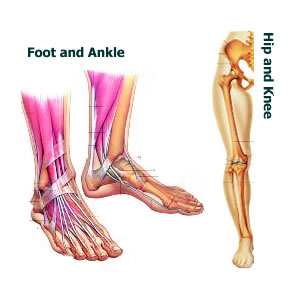
The legs are important part of the body. They bear the weight and enables person to move. Legs are therefore made stronger than the hands by default. The body’s biggest and also perhaps the strongest muscles are also present in legs named as sartorius. They are none other than the thigh muscles. Anatomically there are three parts of the leg, namely foot, leg (middle portion) and thighs. Pain anywhere in the leg makes the person unable in walking or makes person limping.

Ayurveda believes that any pain is due to Vata Dosha presence. Legs are known as paada in Ayurveda. They are full of strong muscles and have plenty of nerves, blood vessels etc.

Useful Herbs in the Treatment of Leg Pains 

Clove (Syzygium aromaticum) 
Clove oil is applied on the affected leg muscle as a poultice. It provides immediate relief from pains, especially if they are due to muscle cramps. 
Ginger (Zingiber officinale)
Ginger has wonderful painkilling properties. It must be included in the daily diet if muscular pains in the legs are a chronic problem. 
Licorice (Glycyrrhiza glabra) 
Licorice is very effective in relieving muscle aches. An infusion of its roots must be prepared in water and kept overnight. This helps in almost all kinds of muscle problems. 
Madhuca (Madhuca indica) 
Madhuca has positive effects on leg pains, especially if they are due to rheumatism. Its oil is applied locally over the affected regions. 
Pepper (Piper nigrum)
Pepper helps in dilating the superficial blood vessels, thus helping in proper blood circulation. It also has analgesic properties and can be used as a liniment in muscular problems. 

Diet for Leg Pain

Ayurveda suggests restricting grams and pulses in diet. Any dry and astringent foods are to be avoided. Green and leafy vegetables are good to have. One can increase vitamin E intake so it prevents cramps in legs. Potassium is essential and so the sodium. But high intake is avoided. Person suffering from hypoprotenemia i.e. lack of protein supplement in the body generally suffers from leg pain in terms of cramps.
Vitamin B complex is best and hence to be taken in good quantity. The combination of pulses and cereals with slightly fermented form if taken in small quantity works for the same. The Indian food named dosa and idli are best source of vitamin B complex. Ayurveda denies taking super sour food and fruits and hence are to be avoided. Certain ghee preparation may help reducing the general body ache.

Ayurvedic Treatments for Leg Pains 

There are good oils in Ayurveda that are used for external application over the affected legs. If the muscle pains have occurred suddenly, then most likely they are cramps. In such cases, Mahanarayana tailam or Praharini tailam are applied to get relief. Warming the oils a bit and then applying has better effects. 
For internal administration, Sinhanaada Guggulu is prescribed. This drug is also a mild laxative. So it will also correct whatever digestive problems may be there with the system. Other commonly prescribed medicines are Laxmivilasa rasa and Pratapa Lankeshwara rasa. 

 Home Remedies for Leg Pains                                                                      

If you have regular complains of pains in the legs, then there are some simple exercises you can do in order to get relief from them. Some of them are described:- 
a) Lie on your back on a firm bed. Wear some loose clothing over the legs, such as shorts or pajamas. Raise your legs gradually in the air, as far as they can go. The heels should point skywards. Hold the legs in this stretched position for about ten seconds and then bring them down again. Do this five times per session, and repeat the exercise thrice a day. 
b) Alternatively you can stand facing a wall at an arm’s length distance from it. Stretch out your arms and touch the wall with your open palms. Then slowly pull yourself forward (towards the wall). Feel the stretching pressure building up in your legs. Hold yourself in this stretched position for about ten seconds and then let go. Do this five times per session, and repeat the exercise thrice a day. 
c) Even Yoga has several leg stretching exercises that can be used with great positive effects. These exercises are Uttanpadasana, Janusandhi and Gomukhasana. 
If the cramps occur when performing an exercise workout or some physical activity, then have a glass of lemon water with a pinch of salt in it.
If you have leg pains in the joints due to arthritis, then crush two to three cloves of garlic and add them to a glass of diluted milk. Boil it to quarter its amount and drink it just before bedtime. 
Applying a hot pack or fomenting the leg with steam helps to improve circulation in the leg and eases the pain. Even applying cold packs helps. This will reduce the blood flow into the leg region and help the muscle to relax. 
Put one part of camphor in twenty parts of mustard oil. Keep this in the sun till the time the camphor properly dissolves in the oil. Use this oil to massage the leg on a daily basis. 
If you get a sudden sprain in the leg, then prepare a paste of turmeric with lime and salt and apply it.


Ayurveda herbs that helps to reduce Muscle pain...


Muscle pain is the commonest, affecting all age groups. Pain is related to aggravation of the functional element of the body that is termed as `Vata Dosha`. According to the ancient medical system pain could be due to accumulation of toxins, which in turn leads to obstruction of circulation resulting in pain.


The following foods cause pain: Meat diet, cheese foods, cakes, pastries, candies, packed and processed foods with less fibers. Vitamins, minerals, and anti oxidants further increase the dryness of the muscles, which directly results in pain and stiffness.

Symptoms:

a. Pain in one particular muscles or group of muscles, usually radiated to nearby joints.
b. Stiffness of muscles
c. Excruciating pain and stiffness of joints

Classification of muscular pains according to Ayurveda

a. Vata Type: Nature of pain includes throbbing, cutting, severe which is variable and migrating. Increases in cold condition, exposure to cold, eat or drink cold foods and drinks etc. Other general symptoms include dry or scaly skin, cracking or stiffness of joints, constipation, gas trouble, nervousness, irritability, fear, anxiety and anaemia. It feels better when some hot therapy is applied.
b. Pitta Type: This is pain accompanied by burning sensation, redness and inflammation and pain increases in hot weather or exposure to heat. Other general symptoms include diarrhea, loose or frequent stools, anger, sweating, fever, high irritability, etc.
c. Kapha Type: There is swelling, stiffness, edema and loss of movement of the affected muscle or group of muscles. It increases in cold, wet weather. Other general symptoms include heaviness, aches, excessive oil secretion, dull and persistent pain, mucus in stool etc.


Ayurveda herbs that help reduce pain


1. Guggulu (Commiphora mukul – gum): It is the most effect herb used in the Ayurvedic treatment of arthritis. Guggulu has strong rejuvenating, purifying, medicinal and healing qualities. Guggulu is perhaps used more than any other herb in Ayurveda. It increases the white blood cell count and disinfects secretions in the body. Guggulu has also been used for treating disorders like rheumatism, gout and lumbago.
2. Rasna (Vanda roxburghii): The root of the plant is found effective in treating inflammations, rheumatic disorders, osteoarthritis and allied disorders.
3. Garlic (Allium sativum): Garlic has been proven effective against rheumatoid arthritis. It may be used alone or in combination with the usual medications.
4. Indian gooseberry (Emblica Officinalis): To treat rheumatism, eat a teaspoon of the powder of the dry fruit mixed with 2 teaspoons of jaggery twice daily for a month.
5. Indian Aloe (Aloe vera): Indian aloe is useful in lumbago, sciatica, gout and rheumatism. The pulp of one leaf is taken daily for relief.

Diet: Avoid curd and all sour items, pulses (except moong dal), rice, meat, fish, white bread, sugar, refined cereals, fried foods, tea or coffee, potato and lemon juice. Celery seeds and bitter gourd are highly beneficial.

Muscle strain, a pulled muscle, or a sprained ankle can all be painful enough to prevent normal activity for quite a while.
Whether caused by an accident, over work, or some type of medical issue, these maladies result in muscle pain that can often be treated by natural home remedies.
Once other causes of the pain have been eliminated and a broken bone has been ruled out, home remedies can keep swelling and pain under control. Try some of the following home remedies for good results:
  • Use sesame oil to char a fourth cup of pepper; rub on a muscle strain to relieve pain.
  • Soak an ankle sprain in warm water with Epsom salts to increase blood circulation and reduce inflammation.
  • Immediately wrap the damaged muscle in ice to prevent swelling; follow this with alternating heat treatments.
  • Use an ace bandage to give support and control swelling, but be sure to wrap it loose enough to prevent circulation problems.
  • Take ibuprophen or other over-the-counter anti-inflammatory drug throughout the day to reduce puffiness.
  • Elevate a sprained ankle until the swelling subsides.
  • Steep eight cloves of fresh garlic in boiling mustard oil until the cloves blacken; cool, and rub on the pulled muscle twice a day.
  • Sip ginger tea when experiencing muscle pain to alleviate discomfort.
  • Apply a paste made from mustard oil and turmeric to the damaged area and cover with a warm cloth sack filled with salt.
  • Boil sprigs of fresh dill in sesame oil and let it cool. Apply this ointment to the sore muscles.
  • Allow hot water in the shower to hit directly on the injured muscle to massage and relax it.


Cap. ArthoRich - The Joint Healer

Introduction:

Arthritis is a common disease which causes chronic pain and loss of movement because of damage to the joints of the body.

1% of world population is affected by arthritis.

The Joints
A joint (articulation) is point of contact between bones or between bone and cartilage.

There are over 100 different forms of arthritis. The most common forms are:
• rheumatoid arthritis
• psoriatic arthritis
• autoimmune diseases
• Septic arthritis etc.

Signs and symptoms
Regardless of the type of arthritis, the common symptoms for all arthritis disorders include varied levels of pain, swelling, joint stiffness and sometimes a constant ache around the joint(s). 

• Inability to use the hand or walk
• Malaise and a feeling of tiredness
• Fever
• Weight loss
• Poor sleep
• Muscle aches and pains
• Tenderness
• Difficulty moving the joint

Disability
Arthritis is the most common cause of disability
Arthritis makes it very difficult for the individual to remain physically active. 
Many individuals who have arthritis also suffer from obesity, high cholesterol or have heart disease. 
Individuals with arthritis also become depressed and have fear of worsening symptoms

Contents:


Usage :


Side Effects :

Contraindications

Pregnant ladies, breast feeding mothers, Children below 12 years

Presentations:

Click here for Download ArthoRich Presentation

Contact for Purchase:

Call : +91 8219322230

EFFECTIVE HOME REMEDIES FOR BABIES


EFFECTIVE HOME REMEDIES FOR BABIES 

"Home remedies are just supplementary approaches. Always seek a qualified physicians advise for any illnesses." 

Below are some home remedies, which I have heard of, read about and some which are tried and tested and proven to be effective time and again. I owe a lot to my parents who believe strongly in the power of herbs and home remedies. My father has written down many remedies, some of which Iam putting in for the benefit of the people at large. I would love to have contributions from visitors too. 


Babies 


Our precious little ones. We would’nt want anything to happen to them, but it is well known that the immune systems of babies below the age of one year are immature. Hence, they are very susceptible to falling sick with slight changes in weather, diet, etc. Indians don’t like to give babies western medicines at the drop of the hat, it is for this reason that most Indian households stock up on medicinal herbs to tackle common situations such as gripes in the middle of the night or a sudden rise in body temperature. These are also popularly known as Dadi Ma ke nuskhe 

 Home Remedy (Naatu Vaidyam & Ayurveda) 


In India all new born babies are given some herbs (These herbs refer to Naatu Vaidyam and Ayurveda) which are freshly rubbed on stone with some water and administered to the babies after bath, this is known as janam ghutti in the north and in Tamil it is called Orakyara Marundhu (Herbs which are rubbed and administered). Each herb which is part of the janam ghutti has a function, which not only strengthens the digestive system, prevents the child from getting coughs, colds, fevers and infections, induces good sleep patterns and brings about general well being in the baby. 

According to Indian tradition, whenever an infant cries abnormally for a long period of time, the first step should be to change his clothes and make him wear loose, comfortable, fresh clothing. It is advisable to avoid synthetic clothing as this affects the baby's sensitive skin and may cause itching and a rash. If the baby continues crying, lightly press the baby's stomach, ears and back. The baby will react immediately if it is experiencing pain in any of these areas. 

Home remedies for Stomach Ailments 


STOMACH PAIN (COLIC) 

If a baby (less than nine months of age) has a pain in the stomach, the recommended remedy is to crush 10 to 15 grains of dill seed (known as “Suva” in India) in a teaspoonful of water. This extract should be mixed with a few drops of mother's milk and administered to the baby.

Home Remedies for Coughing in Children


Children are vulnerable to cold and flu, and this is the reason that it should be prevented from becoming severe. Home remedies can work in favour of hildren because it shortens the duration of cold and cough. Mentioned below are some of the home-made solutions that are more effective than over-the-counter cough medications to treat coughing in children:

1. Honey Syrup – Honey is a natural antibiotic, replete with exceptional ability to kill pathogenic bacteria through several mechanisms. Moreover, honey is equally effective to heal human cells that are important for the immune response. You need to add 2 tablespoons of vegetable glycerine to honey for preparation of honey syrup. Make sure you soften honey by warming it for a brief time in a microwave before mixing it with glycerine.

2. Salt Water Gargling – Gargling with salt water helps to soothe a sore throat by clearing mucus from the throat. Add 1/2 teaspoon of salt to warm water and stir it well. Check if it isn’t too sour for your kid. . If not then go ahead and add 2-3 drops of lemon in it solution. Gargling for three to four times a day will make him feel better.

Before your child gargles let him practise gargling with plain water. Make it seem fun activity by teaching him gargling sound. You can do so by gargling before them. Make sure: 

he holds water in his throat without swallowing it,
spits out water rather than swallowing it.


4. Honey and Cinnamon Powder – Heat one tablespoon of honey and add a pinch of cinnamon powder to it.

5. Turmeric Milk – Heat up one cup milk and add 1/2 teaspoon of turmeric powder in it.

6. Humidifier and Hot Bath – Using a humidifier also can help ease cough and just cold. Similarly, hot tub bath can help treating coughing in children by loosening secretions in the nose.


Natural Home Remedies for Diaper Rash


While the causes aren't pleasant, the solutions to stopping this rash are straightforward, and can be accomplished with these simple home remedies. You can cure the rash in a few days and, with a little effort, keep baby rash free for the remainder of diaperhood.
Home Remedies from the Cupboard

Baking soda. If baby's bottom is very raw, try giving a sitz bath for 10 minutes, 3 times per day. Add 2 tablespoons baking soda to the tub of warm water.

Cornstarch. A nice patting of cornstarch helps dry up damp areas and reduces friction caused by elastic in diapers. When applying, first shake the cornstarch into your hand far from the baby's face. Avoid store-bought talcum powders, as recent studies have shown that talcum is dangerous for babies to inhale.

Maalox. This medicine does more than treat heartburn and stomach upset in adults. It can prevent diaper rash on babies by cooling irritated skin and neutralizing acid. With a cotton ball, apply a small amount of the liquid to baby's bottom. Allow to dry before diapering.

Oatmeal. Add 1 tablespoon dried oatmeal to your baby's bath. It's soothing and helps protect the skin.

Vinegar. Urine is an extremely alkaline solution and can burn the skin just like an acid. To balance out the equation, try adding 1/2 cup white vinegar to the rinse water when you wash the baby's diapers. The vinegar helps neutralize the ammonia found in urine, gets rid of any soap buildup, and gets rid of diaper smells. You can also go directly to the source by wiping the baby's bottom with a solution of 8 parts water to 1 part vinegar.
Home Remedies from the Refrigerator

Cranberry juice. When urine soaks the diaper region, the result is a high pH that irritates the skin and promotes diaper rash. A solution for older infants is to give them 2 to 3 ounces of cranberry juice. Constituents in the juice prevent bacteria from sticking to the bladder, which also helps prevent infection.

Teething Relief:

While you can't take on your baby'steething discomfort, you can help take it away with these mom-tested remedies. 

1. Chewing. Teething babies love to chew, and for good reason: The gumming action provides counterpressure, which relieves the aching pressure of new pearly whites pushing up and out into the mouth. Bumpy rubber teething rings, rattles, and other teething toys work well (including — your baby has probably figured out — the plastic bumper on a crib rail). Chewing is even more effective when the object is icy cold and numbs the gum. Try a frozen wet washcloth, or, to combine a snack with chilly relief, give frozen fruits like bananas and plums in a baby feeder mesh bag (so large chunks of gummed-off food can't pose a choking risk), but only under adult supervision and with baby sitting or propped upright. 

2. Rubbing. Your finger rubbed firmly on baby's gums can provide the same soothing counterpressure. Your baby may balk at first because it seems to hurt initially, but the counterpressure soon brings relief. 

3. Cold drinks. A bottle of icy cold water can offer chilly relief to achy gums for babies over six months (when water can be introduced), or, if baby doesn't take a bottle or balks at sucking, give (ice-free) water in a cup. 

4. Cold food. Like icy food to suck on, chilled food to eat, such as yogurt, blended peaches, and applesauce (once they've already been introduced to your baby), can be more appetizing than warm or room-temperature foods, and can ease achy gums. 


5. Pain relief. If chewing, rubbing, and sucking chilly foods don't do the trick, break out the baby acetaminophen, or try a topical numbing agent or pain reliever — but only after checking with your pediatrician.